






Agriculture
LCA software and consultancy for agricultural producers and food supply chains. Farm-level carbon footprints across crop production, livestock and land use, built for customer disclosure and voluntary sustainability reporting.
The footprint of food and agricultural products depends on what is grown, where it is grown and how the farm is managed. Fertiliser, feed, soil, land use, energy, transport and yields can vary widely between suppliers. Minviro models those differences across the farm and supply chain, so producers and buyers can see which interventions reduce emissions and which claims the data can support.
→

Battery & Energy Storage
LCA software and consultancy for battery cell, pack, cathode and energy storage manufacturers. ISO 14067 product footprints, supply chain comparisons and preparation for applicable EU Battery Regulation and battery passport requirements.
The EU Battery Regulation introduces carbon footprint declarations for EV batteries, rechargeable industrial batteries above 2 kWh and, later, LMT batteries. Article 7 dates vary by category and depend on the relevant delegated and implementing acts entering into force; they are not a blanket 2027 deadline. Performance classes and maximum thresholds follow on separate conditional timelines. Battery passports apply from 18 February 2027 to EV batteries, LMT batteries and industrial batteries above 2 kWh. Minviro builds transparent battery LCAs and supports preparation for the requirements that apply to your product. Portable batteries are outside Article 7 carbon footprint scope, and industrial batteries with external storage have a later timetable.
→

Chemicals & Advanced Materials
LCA software and consultancy for chemical producers and advanced materials manufacturers. Process-level carbon footprints for customer requests, sourcing decisions and voluntary sustainability reporting.
For chemical producers and advanced materials manufacturers, the footprint often turns on feedstock, reaction route, yield, energy, solvent recovery and the site that makes the product. Public factors can provide a starting point, but they rarely show where your process can improve or how a customer should compare alternatives. Minviro builds the model around your chemistry and operating data, so the result is specific enough to guide investment and disclosure.
→
Critical Minerals & Mining
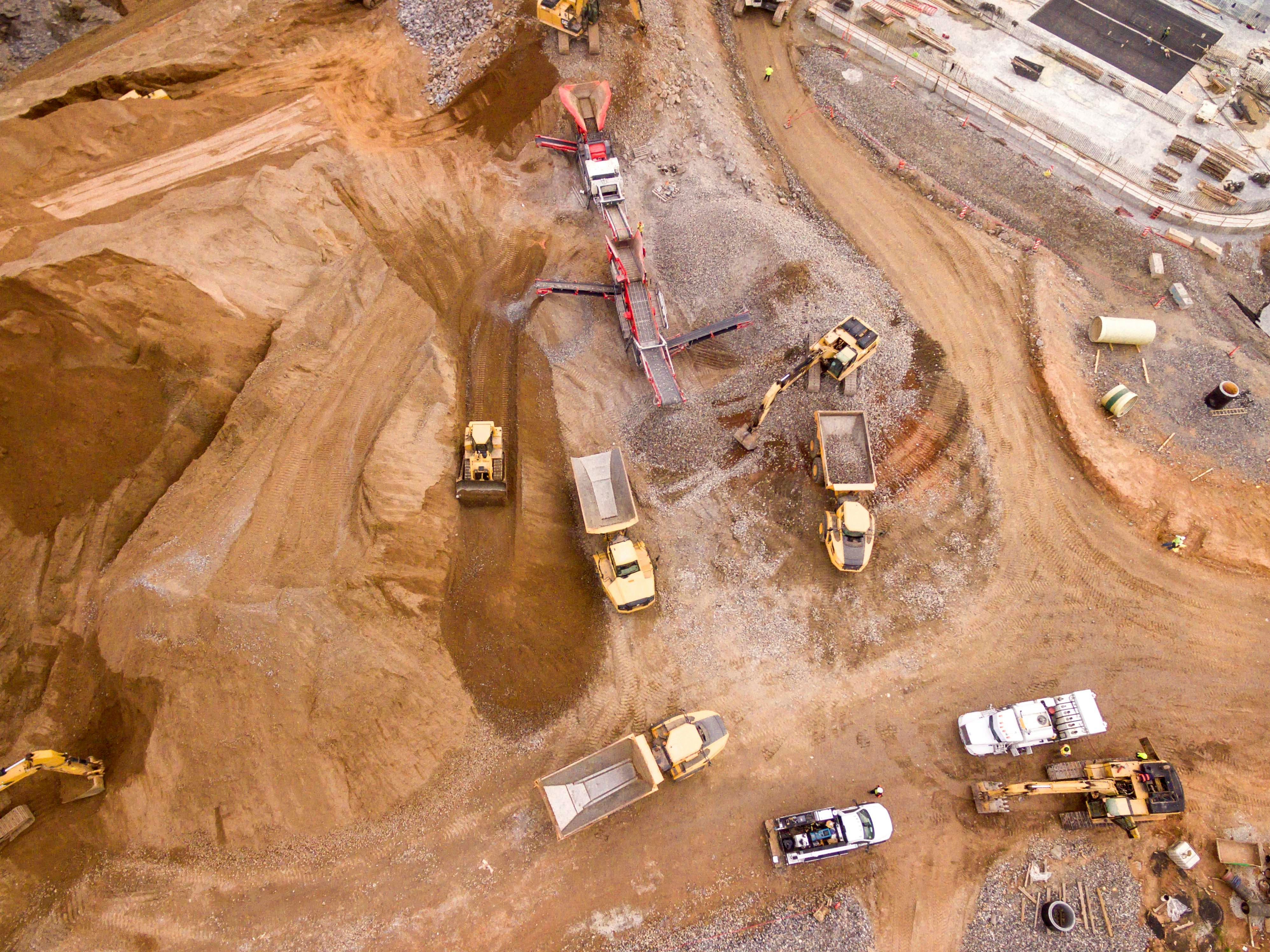
LCA software and consultancy for lithium, nickel, cobalt, copper, graphite and rare earth producers. Site-specific carbon footprints, cradle-to-gate LCAs and customer disclosure data built from operational data.
Cell manufacturers, OEMs, traders and refiners use site-specific carbon data to compare suppliers and prepare their own product footprints. Minviro models your orebody, process route and energy mix rather than relying on an industry average. Lithium, nickel, cobalt, graphite and rare earths are not currently CBAM goods. Battery supply-chain due diligence is a separate requirement: applicable obligations for in-scope battery economic operators have been postponed to 18 August 2027 under Regulation (EU) 2025/1561. An LCA can support environmental evidence, but does not replace the wider due-diligence process.
→

Electronics
LCA software and consultancy for electronics manufacturers and component suppliers. Product carbon footprints across circuit boards, components and assembly, built for customer disclosure and voluntary sustainability reporting.
Electronics footprints are shaped by the board, components, metals, polymers, assembly energy and the supply chains behind each part. A product average cannot show which design or sourcing decision should change first. Minviro builds the footprint around your bill of materials and manufacturing pathway, so product teams can act on the inputs that actually move the result.
→

Energy Utilities & Grid
LCA software and consultancy for utilities and grid operators. Carbon footprints across generation mix, transmission infrastructure and grid services, built for regulatory and investor disclosure.
Utilities and grid operators are balancing generation mix, network investment, storage, flexibility and reliability at the same time. A single regional factor cannot show the carbon effect of a new asset, a different dispatch profile or an infrastructure upgrade. Minviro models the generation, transmission and service choices behind your system, so the footprint supports both disclosure and investment decisions.
→

EV & Automotive
LCA software and consultancy for vehicle manufacturers and tier-1 suppliers. Supplier-level Scope 3 models, battery pack footprints and sourcing comparisons for OEM requests and applicable battery disclosure requirements.
For an electric vehicle manufacturer, roughly two-thirds of the lifetime footprint is locked in before the car leaves the factory — and most of that sits in suppliers you don't directly control. Reporting Scope 3 with industry-average emission factors hides the variance that actually matters: the difference between an LFP cell sourced from a renewable-grid factory and an NMC cell from a coal-heavy one, the difference between Indonesian and Canadian nickel, the difference between a recycled and a virgin magnet. Minviro models the supplier-by-supplier reality behind your bill of materials, so the number you report reflects the supply chain you actually buy from.
→

FMCG & Consumer Goods
LCA software and consultancy for FMCG and consumer goods brands. Product carbon footprints across ingredients, packaging and distribution, built for retailer disclosure requests and voluntary sustainability reporting.
For an FMCG brand, the largest carbon decisions often sit in ingredients, packaging, manufacturing and distribution rather than in the final product itself. A portfolio average cannot show which supplier, recipe or pack format should change first. Minviro models the product and supply chain detail behind your range, so teams can reduce emissions while protecting cost, quality and retailer requirements.
→

Green Hydrogen & Fuel Cells
LCA software and consultancy for green hydrogen producers and fuel cell manufacturers. Pathway footprints for offtaker requests, investment decisions and relevant certification assessments. Covered hydrogen imports also require a separate CBAM assessment.
Hydrogen is only as low carbon as the electricity, equipment, water, storage and transport behind it. The same label can describe very different pathways depending on the grid, electrolyser, utilisation rate and delivery model. Minviro builds the assessment around the production route you are developing, so buyers and certification schemes can see the evidence behind the claim.
→

Pharmaceuticals & Life Sciences
LCA software and consultancy for pharmaceutical manufacturers and life sciences companies. Product and process carbon footprints across active ingredient synthesis, formulation and packaging, built for Scope 3 targets and customer disclosure.
The footprint of a medicine is shaped by active ingredient synthesis, solvents, utilities, batch yields, formulation, packaging and the facilities that make it. Site averages can hide the process choices that matter most. Minviro builds product and process models around your manufacturing data, so sustainability teams can identify reductions without losing the quality, compliance and supply detail the business depends on.
→

Recycling & Circular Economy
LCA software and consultancy for recyclers and circular economy operators. Comparative footprints for recycled versus virgin material routes, built to support customer claims and regulatory disclosure.
The climate value of a recycled material depends on what it replaces, how it is collected, the energy used to process it and what happens to the material at the end of its next life. Minviro models those choices across the full system, so recyclers and circular economy operators can show where the benefit comes from and where the remaining hotspots sit.
→

Renewables & Low Carbon Fuels
LCA software and consultancy for solar, wind and low carbon fuel producers. Cradle-to-gate footprints, EPD-ready outputs and comparative LCAs across generation and fuel pathways for developers and investors.
The carbon profile of a renewable project is shaped long before the first unit of energy is generated. Module materials, steel, balance-of-plant equipment, construction, land use and end-of-life all contribute to the footprint buyers and investors increasingly ask for. Minviro models the full pathway behind your asset or fuel, so your claim reflects the technology, supply chain and operating context you actually control.
→
