XYCLE INCLUDED IN VERDANTIX SMART INNOVATORS 2025
Resources

Explore the resource library
FMCG & Consumer Goods
Regulations & Compliance
LCA Methodology
Data Quality & Primary Data
PEFCR for apparel and footwear: what version 3.1 requires
The EU’s final PEFCR for apparel and footwear explained: scope, one-use functional unit, durability and repairability multipliers, data needs and validity.
Blog

Regulations & Compliance
LCA Methodology
Standards & ISO
PEFCRs explained: every EU category rule and where each one stands
A plain guide to Product Environmental Footprint Category Rules: what they are, which 13 the EU Commission lists, and which are final, in revision or in development.
Blog

Forward Deployed Sustainability Engineers: why product sustainability needs systems, not static reports
Why product sustainability needs systems, not static reports: how forward deployed sustainability engineers build granular, traceable LCA data systems.
Blog

Battery & Energy Storage
Critical Minerals & Mining
Recycling & Circular Economy
LCA Software
LCA Methodology
Data Quality & Primary Data
Primary Data
Critical raw materials
Rare earth elements
Battery Materials & Chemistry
Circular Economy
Lithium
Nickel
Cobalt
Rare earth elements
Copper
Aluminum
Why the same product gets different results in different LCA software
Why do LCA tools give different results? Explore eight causes, from database versions to allocation, and a practical checklist for comparing carbon footprints.
Blog

Battery & Energy Storage
Automotive & Equipment
EU Battery Regulation
carbon performance class
What a Battery Passport Pilot Taught Us About Carbon Data in the Real Supply Chain
Minviro's lessons from the Global Battery Alliance Battery Passport pilots: why supplier data, not modelling, is the hardest part of a battery carbon footprint.
Blog
Battery & Energy Storage
Battery Materials & Chemistry
LCA Methodology
Energy Transition
The Carbon Footprint of a Battery: Why It’s a Property of the Supply Chain, Not the Cell, and Why That’s Now a Market-Access Question
lorem
Blog

Renewables & Low Carbon Fuels
Standards & ISO
LCA Methodology
LCA Fundamentals
Carbon Accounting & Emissions
The Carbon Footprint of Solar Panel Manufacturing: Why It’s a Range, Not a Number, and Why That Range Now Decides Tenders
carbon footprint of solar
Blog
Minviro Appoints Colin Farrell as Chair of the Board to Support Global Growth
Minviro appoints Colin Farrell as Chair to support the global expansion of XYCLE, the platform for LCA, sustainability insights and supply chain assurance.
Blog

Circular Supply Chain for Rare Earth Elements: Implementing Change
Discover how circular economy principles can revolutionise the rare earth elements (REEs) supply chain, tackling sustainability challenges and boosting global resilience.
Blog

Minviro’s Quarterly Kick-Off
A new quarter is an excellent time to reflect, learn, and aspire for growth. At Minviro, we like to host an internal kick-off event that sets the stage for our next chapter. It’s an opportunity to build deeper connections across our teams, reestablish our goals, and kickstart the quarter with renewed enthusiasm.
Blog

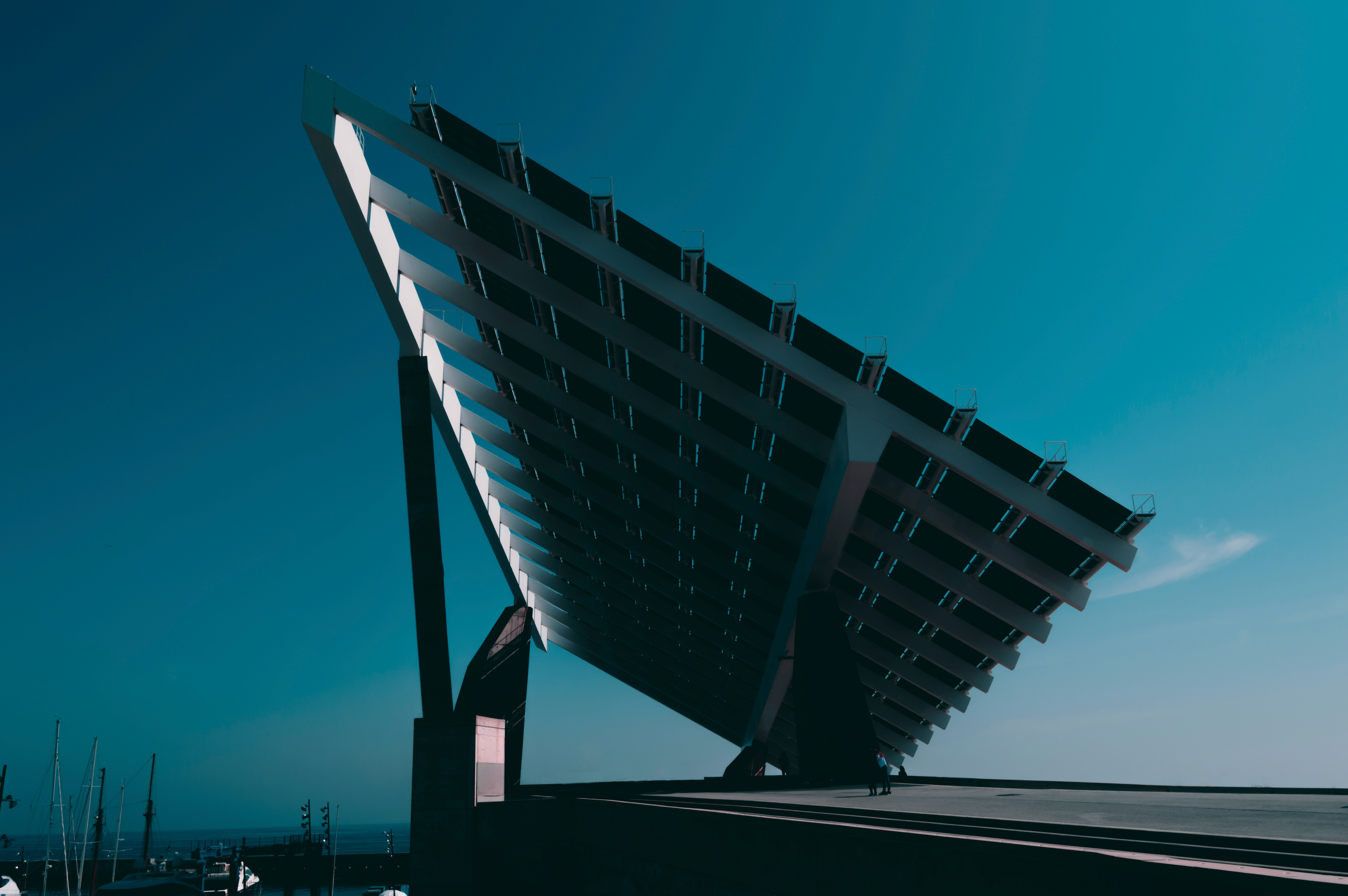
The Shifting Solar Industry: From the EU to China
The global solar industry is undergoing a major transformation, characterised by China's dominance in silicon production and the shift of manufacturing from Europe to Asia. This change underscores the dynamic nature of the industry, highlighting the importance of strategic investments and policy support. As the world advances towards renewable energy, understanding these trends is crucial for future growth and sustainability in the solar market.
Blog
Navigating the Regulatory Landscape for Sustainable Materials
As sustainability regulations evolve, companies face increasing pressure to align with new compliance frameworks. Discover how Minviro and Certscape are streamlining certification and regulatory adherence through cutting-edge life cycle assessment (LCA) tools and automation, ensuring businesses stay ahead in the green economy.
Blog

Nature Reviews Paper – LCA & Geometallurgy
In the transition to a low-carbon economy, the materials powering our innovative solutions are of paramount importance. Yet, producing these materials carries environmental costs that are not always immediately obvious. A comprehensive review published in Nature Reviews Earth & Environment titled "Towards sustainable extraction of technology materials through integrated approaches" by Robert Pell, Laurens Tijsseling, and their esteemed colleagues, sheds light on the environmental impacts of the raw materials essential for this green transition.
Blog

What is Life Cycle Assessment? (LCA)
LCA (life cycle assessment) measures the environmental impact of a product from raw materials to end of life. Learn the stages, standards and uses.
Blog

Life Cycle Management: A Critical Platform for Sustainability of Australian Mining
The market is in transition, and there is increasing pressure at every stage of the supply chain to quantify, understand and mitigate the carbon footprint and environmental impacts of production, which can be conducted using LCA approaches.
Blog

Navigating Acid Mine Drainage: A Comprehensive Approach Using Life Cycle Assessment
Addressing the environmental challenges of acid mine drainage, this blog offers insights into sustainable mitigation strategies through Life Cycle Assessment, highlighting the importance of preventative measures for healthier ecosystems.
Blog

A Guide to The Ecodesign for Sustainable Products Regulation (ESPR)
This blog explores the Ecodesign for Sustainable Products Regulation (ESPR), a key EU initiative aimed at enhancing sustainability in product design and lifecycle management. Learn about the regulation’s objectives, key deadlines, the role of Life Cycle Assessment (LCA), and how Minviro can support your compliance efforts.
Blog

Science + Data: The Real Missing Link in Sustainability Reporting
How scientific rigour and data quality connect sustainability reporting to credible, decision-ready outcomes.
Blog

Leading the Charge: Solar Photovoltaics in the Energy Transition
This blog explores the role of solar photovoltaics (PVs) in the energy transition, highlighting their history, technology, production processes, and environmental impacts. It emphasises the importance of sustainable practices and life cycle assessments (LCAs) to ensure the renewable energy transition remains environmentally responsible.
Blog

Wired article: The Surprising Climate Cost of the Humblest Battery Material
Minviro CEO Robert Pell contributed to this excellent article in WIRED on the climate change impact of graphite.
Blog
MineMT Project Results: Strengthening the United Kingdom rare earth magnet supply chain
The MineMT project, a collaboration between Minviro, the University of Exeter and Mkango Resources, enhanced rare earth magnet sustainability in the UK using XYCLE software. This 18-month Innovate UK-backed initiative delivered predictive LCSA tools to de-risk supply chains.
Blog

EU Battery Regulation and Carbon Footprint Requirements
Explore key aspects of the EU Battery Regulation effective from Feb 2024, including carbon footprint reporting, life cycle assessments, and the rollout of Battery Passports.
Blog

From Supplier Data to Audit-Ready LCA: What We Built with Rise-X
Minviro and Rise-X built an integrated workflow connecting auditable supplier data collection to process-level LCA modelling. Developed through Powering Australia.
Blog

Minviro & Certscape With Partnership to Streamline Sustainability Certification
Minviro and Certscape have signed a Memorandum of Understanding to integrate Certscape’s automated sustainability-certification platform with Minviro’s high-resolution lifecycle assessment (LCA) technology, creating a unified digital ecosystem for renewable-gas, low-carbon-fuel and critical-materials projects to simplify compliance, accelerate audits and drive measurable decarbonisation.
Blog

Minviro secures investment for sustainable mining
Dive into the story of Minviro's latest achievement in our drive for environmental sustainability within the mining and raw materials sector. From our roots at the University of Exeter to our groundbreaking methodologies, learn about our investment partnership with Sustainable Ventures. Discover how this collaboration aims to redefine the environmental footprint of mining projects worldwide and our vision to set new industry benchmarks in the face of a rapidly evolving global demand for materials.
Blog
Powering Australia, Minviro and Rise-X mark the first milestone in ESG supply chain initiative.
A collaborative milestone by Powering Australia, Minviro, and Rise-X marks progress toward a scalable ESG and traceability platform supporting transparency across the battery supply chain.
Blog
Minviro's five year anniversary
From our humble beginnings, with our founder Robert Pell pitching to clients and investors and slowly placing the first bricks of Minviro’s foundation to today's 40+ team across three continents, the past five years have been remarkable. In November, as we celebrate Minviro’s 5th anniversary, we look back at some of the milestones and stories that have defined us. We reflect on the challenges faced, triumphs celebrated, and, most importantly, the fantastic team that has been with us every step of the way.
Blog

Minviro secures funding from EIT RawMaterials Booster
Minviro has been awarded the EIT RawMaterials Booster grant, after a successful application and pitch to an expert jury. The RM Booster will accelerate the development of a software tool that will transform environmental sustainability in the mining industry. The technology supports integrating life cycle assessment (LCA) into the different development stages of mining and metal projects.
Blog
Minviro through to the next stage of Innovate UK's ICURe programme
Robert stated "The ICURe programme, supported by Innovate UK, is an ideal way to get out in to industry and speak to customers. An essential step in developing any business."
Blog

Minviro Joins the International Lithium Association
We are happy to have joined the International Lithium Association (ILiA) as an Associate Member.
Blog
Journal of Industrial Ecology: Toward a life cycle inventory for graphite production
CEO of Minviro, Robert Pell, has contributed to this graphite-focused paper
Blog

Decarbonising the Food Supply Chain: From Measurement to Meaningful Emissions Reduction
The food system accounts for nearly one-third of global emissions. Explore how lifecycle thinking, supplier engagement, and data-driven technology can unlock deep decarbonisation across food supply chains.
Blog
Tackling Data Challenges in Sustainable Battery Supply Chains
Exploring how About:Energy and Minviro address critical gaps in data, modelling, and life cycle assessments (LCAs) to enhance sustainability in the rapidly evolving battery industry.
Blog
Understanding Solar Energy Storage & Battery Use
This blog explores the crucial role of solar batteries in energy storage and their environmental impacts during the use-phase. It also delves into the duration these batteries can hold solar power, highlighting advancements in battery technology that enhance the efficiency and sustainability of solar energy systems.
Blog

The Environmental Impact of Photovoltaics
Photovoltaic (PV) technology is a crucial player in the global shift towards sustainable energy, generating clean electricity with minimal operational emissions. However, understanding the full environmental impact of PV systems requires a lifecycle perspective, considering the significant resource demands and potential environmental risks associated with raw material extraction, manufacturing, and end-of-life disposal.
Blog

Emerging Carbon Removal Technologies, and Why Life Cycle Assessment Is Vital to Their Success
Discover how Life Cycle Assessment can support the real climate impact of emerging carbon-removal technology and why it’s essential for credible, scalable CDR solutions.
Blog

Minviro Contributes to ILiA Lithium Product Carbon Footprint Guidance
The International Lithium Association (ILiA) has launched the first guidance that provides the global lithium industry with a standardised approach to calculating the carbon footprint of producing lithium carbonate, lithium hydroxide, and other lithium products.
Blog
Advancing the Future of UK Semiconductors: Minviro’s Role in the RESiLABLE Project
Discover how Minviro is helping shape the future of sustainable semiconductor manufacturing through our involvement in the RESiLABLE project. Supported by Innovate UK and DSIT, this initiative is dedicated to building a resilient and eco-conscious semiconductor supply chain in the UK. With Minviro’s expertise in Life Cycle Assessment (LCA) and resource optimization, we're pioneering solutions to minimize environmental impact while supporting industry growth. Explore our role in setting new standards for responsible semiconductor innovation and learn how the RESiLABLE project is creating a sustainable path forward for UK technology.
Blog

Minviro and Tres Works Forge Strategic Partnership to Accelerate Battery Supply Chain Sustainability and Regulatory Compliance
Minviro and Tres Works announce a strategic partnership to help Korean battery manufacturers meet EU Battery Regulation and global sustainability standards. The collaboration brings Minviro’s advanced LCA software, XYCLE, to South Korea through Tres Works’ regulatory expertise.
Blog

Minviro and Clear Carbon come together to Advance Science-Based Decarbonisation
Minviro and Clear Carbon have formed a strategic partnership to connect lifecycle science with emissions intelligence, creating a shared, science-based foundation for more credible sustainability reporting.
Blog

FMCG & Consumer Goods
Electronics
Battery & Energy Storage
LCA Software
Data Quality & Primary Data
Regulations & Compliance
EU Battery Regulation
CBAM
CSRD
Digital Product Passport (DPP)
The complete guide to LCA software for global brands in 2026
A buyer’s guide to LCA software for global brands: data quality, scalability, traceability and regulatory readiness, plus a five-step evaluation framework.
Guide

Automotive supply chain decarbonisation: why broad Scope 3 targets fall short
Explore regulatory trends, the 2026 Lead the Charge Leaderboard and why broad Scope 3 targets alone are not enough to decarbonise automotive supply chains.
Webinar

Steel, aluminium and batteries: what material-specific decarbonisation looks like
Explore material-specific automotive supply chain decarbonisation, from green steel demand and enabling policy to low-carbon aluminium definitions and procurement barriers.
Webinar

Critical Minerals & Mining
CBAM
Carbon Accounting & Emissions
Decarbonisation
Regulations & Compliance
Steel
Nickel
Indonesia's stainless steel 304 (18/8) carbon footprint: hotspot analysis of the integrated value chain
A cradle-to-gate life cycle assessment of Indonesian hot-rolled coil stainless steel 304 (18/8). Upstream alloy production drives about 94% of emissions, placing the route at more than three times the impact of some alternatives.
Whitepaper
Critical Minerals & Mining
Electronics
Automotive & Equipment
Recycling & Circular Economy
Rare earth elements
Circular Economy
Supply Chain & Procurement
Rare earth elements
CSyARES Project
A project to help strengthen transition to a circular economy through tracking and traceability of critical materials aligning with sustainable practices.
Grant
Battery & Energy Storage
Critical Minerals & Mining
Chemicals & Advanced Materials
LCA Software
Data Quality & Primary Data
LCA Methodology
Supply Chain & Procurement
Digital Product Passport (DPP)
Regulations & Compliance
Nickel
AI in Life Cycle Assessment: Scale Without Losing Credibility
How expert-led, AI-assisted LCA can scale without losing credibility.
Guide

Battery & Energy Storage
Critical Minerals & Mining
Chemicals & Advanced Materials
Renewables & Low Carbon Fuels
Decarbonisation
Energy Transition
Supply Chain & Procurement
Data Quality & Primary Data
CSRD
CBAM
EU Battery Regulation
Graphite
Lithium
Rare earth elements
Decarbonisation Strategy for Energy Transition Makers
Auditable, LCA-backed carbon reduction pathways and compliance-ready insights for energy transition manufacturers.
Guide

Battery & Energy Storage
Battery Materials & Chemistry
Energy Transition
Sustainability
EU Battery Regulation
Battery manufacturing
Nickel
Cobalt
Graphite
Lithium
Measuring the Environmental Impact of Battery Supply Chains with Life Cycle Analysis
Most life cycle assessments of batteries assume a single, static impact value for each component material. That hides the reality that the same battery, built to the same chemistry, can carry a very different carbon footprint depending on where and how its raw materials are produced. In this foundational study, Minviro modelled an NMC-811 battery, the most common chemistry in Western EVs, across low, baseline and high-impact supply chain scenarios to show just how much that variability matters at the level of a finished battery pack.
Whitepaper

Critical Minerals & Mining
Chemicals & Advanced Materials
Steel
Indonesia's Steelmaking Carbon Footprint: The Case for Low-Carbon Steel
Steel underpins almost every sector, but making it is responsible for 7 to 9% of global greenhouse gas emissions. In Indonesia, where the industry has grown around 21% a year since 2013, roughly 80% of production still uses the blast furnace–basic oxygen furnace (BF-BOF) route, one of the most carbon-intensive ways to make steel. With the EU’s Carbon Border Adjustment Mechanism and offtakers such as data centres and automakers demanding lower-carbon steel, Minviro carried out a life cycle assessment of Indonesian hot-rolled coil to quantify its footprint, find the hotspots, and set out the decarbonisation options.
Whitepaper
Chemicals & Advanced Materials
Critical Minerals & Mining
Sustainability
Decarbonisation
Nickel
Indonesia's Nickel Transition: From High-Carbon Production to Low-Carbon Supply
Indonesia produces more than 60% of the world’s nickel, making it indispensable to EV battery supply as cathodes shift toward nickel-rich chemistries. But the route that built that dominance, pyrometallurgical processing of saprolite ore into nickel pig iron and matte, is among the most carbon-intensive in the global mining sector. Minviro’s life cycle assessment quantifies that footprint, models how fast Indonesia’s reserves are depleting, and shows how far emissions could be cut. The conclusion is stark: without decarbonisation, high-carbon Indonesian nickel risks undermining the very EVs it supplies and losing access to key markets.
Whitepaper
Chemicals & Advanced Materials
Critical Minerals & Mining
Critical raw materials
Sustainability
Battery Materials & Chemistry
Nickel
The Sustainability of Nickel Mining in ASEAN: Supply, Depletion and Carbon Footprint
EV batteries are projected to account for around 60% of global nickel demand by 2040, and Southeast Asia, led by Indonesia and the Philippines, holds some of the world’s largest laterite reserves. That makes the region central to both EV growth and transport decarbonisation. Working with the Economic Research Institute for ASEAN and East Asia (ERIA), Minviro combined supply-demand modelling, reserve depletion assessment and life cycle assessment with life cycle costing to test whether ASEAN can meet EV nickel demand, how long its reserves will last, and how cleanly battery-grade nickel can be produced.
Whitepaper
Battery & Energy Storage
Automotive & Equipment
Critical Minerals & Mining
Chemicals & Advanced Materials
Recycling & Circular Economy
Battery manufacturing
Critical raw materials
EU Battery Regulation
Sustainability
Circular Economy
Battery Materials & Chemistry
Nickel
Cobalt
Graphite
Lithium
Recycled vs Virgin Metals for Lithium-Ion Batteries: Comparing the Carbon Footprint
As demand for battery metals climbs, with lithium and nickel demand projected to grow 40 times between 2020 and 2040, recycling is increasingly seen as the lower-carbon, more secure route to supply. The EU Battery Regulation will require the carbon footprint of both recycling and recycled content to be reported. To test the common assumption that recycled beats virgin, Minviro built a granular, engineering-based recycling model and compared recycled nickel sulfate and lithium carbonate from spent NMC batteries against the main primary production routes.
Whitepaper
Renewables & Low Carbon Fuels
Critical Minerals & Mining
Energy Utilities & Grid
Silicon
The Environmental Impact of Manufacturing Solar Photovoltaics: Silicon's Role in Decarbonisation
Solar PV is one of the clearest wins in decarbonisation, producing on average 20 times fewer emissions than coal power and generating 20 to 30 times more energy over its life than goes into making it. But manufacturing solar modules is energy- and material-intensive, and that embodied footprint is coming under regulatory scrutiny. Minviro assessed the product carbon footprint of a monocrystalline silicon module, from silica extraction to finished panel, to show which stages matter most and how much supply chain choices change the result.
Whitepaper
Permanent magnets
Rare earth elements
The Environmental Impact of Heat Pump Manufacturing: Cutting Embodied Emissions by Nearly Half
Heat pumps are established as a low-carbon alternative to gas boilers, with Gemserv’s research finding a gas boiler generates 55% more emissions in use than a 10kW air source heat pump. But the emissions embodied in making a heat pump are increasingly under scrutiny from regulators, investors and customers. Minviro and Gemserv ran a cradle-to-gate life cycle assessment of a 10kW air source heat pump to measure those embodied emissions, identify the hotspots, and show how far they can be reduced.
Whitepaper
Battery & Energy Storage
Critical Minerals & Mining
Recycling & Circular Economy
Battery manufacturing
Critical raw materials
EU Battery Regulation
Sustainability
Circular Economy
Battery Materials & Chemistry
Nickel
Cobalt
Graphite
Lithium
The Circular Economy for Lithium-Ion Batteries: Modelling the UK's Battery Future
Demand for battery raw materials such as lithium, nickel and cobalt is projected to rise 15 to 20 times between 2020 and 2050, raising hard questions about supply security and end-of-life waste. A circular economy, through reuse, remanufacturing and recycling, is widely seen as part of the answer. To test how much it can deliver and when, Minviro combined System Dynamics modelling with prospective life cycle assessment, using the UK as a case study to map material recovery and battery carbon footprints from 2020 to 2050.
Whitepaper
Chemicals & Advanced Materials
Critical Minerals & Mining
Battery & Energy Storage
Critical raw materials
Graphite
The Climate Impact of Graphite Production: The Forgotten Material of the Battery Revolution
Graphite is in around 96% of lithium-ion battery anodes, with each battery needing 10 to 15 times more graphite than lithium. Despite that, its environmental footprint is often overlooked and, more importantly, underestimated. Producing anode-grade graphite is highly energy-intensive, and much of the world’s supply is made in coal-dominated grids such as Inner Mongolia, where low-cost power carries a high carbon cost. Minviro modelled natural and synthetic graphite production using higher-quality, more recent data and found the true climate impact can be up to ten times higher than published values.
Whitepaper
Battery & Energy Storage
Automotive & Equipment
Energy Utilities & Grid
Recycling & Circular Economy
Battery manufacturing
EU Battery Regulation
Critical raw materials
Scope 3 Emissions
Sustainability
Battery Materials & Chemistry
Sustainable Battery Manufacturing: A New "Greenprint" for the Battery Value Chain
Battery demand is set to climb from around 1 TWh in 2023 to nearly 7 TWh by 2030, and with it comes scrutiny of the environmental footprint of every stage in the value chain. The EU Battery Regulation, in force since August 2023, makes carbon footprint declarations, due diligence and the battery passport mandatory in phased stages, starting with EVs. In this joint paper, Minviro and Worley argue that meeting these requirements is not just about measuring impact after the fact. The real opportunity is to design lower-impact batteries from project inception, and to be able to prove it.
Whitepaper
Battery & Energy Storage
Energy Utilities & Grid
Battery manufacturing
Critical raw materials
EU Battery Regulation
Sustainability
Sodium
Sodium-Ion Batteries: A Sustainable Alternative to Lithium-Ion?
Sodium-ion batteries (SIBs) are attracting attention as a possible answer to lithium scarcity and price volatility. Sodium makes up 23,600 ppm of the earth’s crust against just 20 ppm for lithium, and sodium hydroxide costs a fraction of lithium hydroxide. But abundance and low cost do not automatically translate into a lower environmental footprint. Minviro assessed five sodium-ion chemistries against lithium-ion NMC and LFP using life cycle assessment, looking beyond climate change to resource use and acidification, to test whether the “sustainable by default” assumption holds.
Whitepaper
Battery & Energy Storage
Automotive & Equipment
Electronics
Battery manufacturing
EU Battery Regulation
Sustainability
Battery Materials & Chemistry
Lithium
The Climate Impact of LFP Battery Materials: Balancing Carbon and Cost
Lithium-iron-phosphate (LFP) has moved from a China-centred cathode chemistry to a serious global competitor to nickel-based cells, helped by its cycle life, safety and lower cost. As the EU Battery Regulation brings carbon footprint requirements into force, manufacturers now have to weigh environmental impact alongside cost to stay commercially viable. Minviro and Exawatt combined life cycle assessment and bottom-up cost modelling across 27 LFP production pathways to show where the real decarbonisation opportunities lie, and what they cost.
Whitepaper
Chemicals & Advanced Materials
Critical Minerals & Mining
Battery & Energy Storage
Automotive & Equipment
Critical raw materials
EU Battery Regulation
Supply Chain & Procurement
Battery Materials & Chemistry
Nickel
Nickel's Carbon Footprint: Why Source and Production Route Matter
Nickel is a cornerstone of the battery supply chain, and demand is rising as cathode chemistries shift toward higher nickel content. But “nickel” is not a single product with a single carbon number. The same battery-grade material, nickel sulfate hexahydrate, can be produced through several routes, each with its own resources, energy sources and chemistry. Minviro’s white paper measures this variability and explains why knowing the source and production route is essential to understanding a supply chain’s true climate change impact.
Whitepaper
Supplier Data Collection Guide for LCA
Most LCA programmes stall at the same point: the supplier data request. Teams either ask for too much and get nothing back, or collect data with no governance and can’t defend it under review.
Whitepaper
Pharmaceuticals & Life Sciences
Renewables & Low Carbon Fuels
Battery & Energy Storage
Automotive & Equipment
FMCG & Consumer Goods
Chemicals & Advanced Materials
Electronics
Critical Minerals & Mining
Transport & Logistics
Energy Utilities & Grid
Sustainability
Hydrogen
Titanium
Gold
Aluminum
Platinum Group Elements
Copper
Silicon
Rare earth elements
Sodium
Steel
Minviro's XYCLE Featured in the Verdantix Smart Innovators: LCA Software 2025 Report
Minviro’s LCA platform, XYCLE, has been featured in the Verdantix Smart Innovators: LCA Software (2025) report, published in November 2025. The report is an independent assessment by analyst firm Verdantix of the life cycle assessment software market, examining how vendors help organisations automate and scale LCAs in response to growing regulatory and commercial demand. XYCLE was one of the providers selected for evaluation, and the report highlights Minviro’s work on AI-assisted modelling and supply chain data integration as examples of innovation in the sector.
Report

Supplier Data Collection Guide for LCA
Most LCA programmes stall at the same point: the supplier data request. Teams either ask for too much and get nothing back, or collect data with no governance and can’t defend it under review.
Report
Supplier Data Collection Guide for LCA
Most LCA programmes stall at the same point: the supplier data request. Teams either ask for too much and get nothing back, or collect data with no governance and can’t defend it under review.
Webinar
Green Hydrogen & Fuel Cells
Sustainability
Chemistry
Decarbonisation
Hydrogen
HyPACT: Building the Digital Product Passport for Green Hydrogen
Without traceability infrastructure, low-carbon hydrogen is indistinguishable from high-carbon hydrogen the moment it enters a shared supply chain. Over two years and £5 million of UK–Australia funding, the HyPACT consortium has built a working system that links a live electrolyser to a verified Digital Product Passport — automatically, at batch level. Workshop 2 is where the people who produce, buy, certify and regulate hydrogen help shape what the standard becomes.
Grant

Green Hydrogen & Fuel Cells
Decarbonisation
Platinum Group Elements
Hydrogen
Path to Product: Sustainable Hydrogen Fuel Cell Supply Chains
Hydrogen fuel cells convert hydrogen into electricity, producing only water and heat at the point of use, which makes them a promising technology for decarbonising transport, industry and stationary power. But hydrogen is an energy carrier, not a source, so a fuel cell's true environmental performance depends overwhelmingly on how its hydrogen is produced, alongside the impacts of the specialised materials in the cell itself. This guide, part of Minviro's "Path to Product" series, examines both proton exchange membrane fuel cells (PEMFCs) and solid oxide fuel cells (SOFCs), walking through their materials, manufacturing hotspots, the decisive role of hydrogen sourcing, and the tightening regulatory landscape, all through the lens of life cycle assessment.
Guide

Battery & Energy Storage
Automotive & Equipment
Electronics
Critical Minerals & Mining
Energy Transition
Rare earth elements
Permanent magnets
Rare earth elements
Path to Product: Sustainable Permanent Magnet Supply Chains
Neodymium-iron-boron (NdFeB) permanent magnets are crucial to the energy transition, powering high-performance motors, direct-drive wind turbines, robotics and a wide range of clean energy technologies. But their efficiency comes with a complex web of critical materials, carbon-intensive manufacturing, and a near-total reliance on rare earth elements sourced overwhelmingly from China. With demand accelerating and recycling rates extremely low, the supply chain faces real sustainability and resilience challenges. This guide, part of Minviro's "Path to Product" series, walks through the materials behind permanent magnets, how they are made, the levers for cutting impact, the circular opportunities, and what emerging regulation like the EU Critical Raw Materials Act will require, all through the lens of life cycle assessment.
Guide
Electronics
Semiconductors
Silicon
Path to Product: Sustainable Semiconductor Supply Chains
Semiconductors are foundational to almost every modern technology, from smartphones and data centres to electric vehicles and renewable energy systems, and the global industry is valued at around $500 billion a year. But making chips is highly energy- and resource-intensive, relying on ultra-pure silicon and a range of critical materials sourced from concentrated, often geopolitically sensitive supply chains. As demand surges, manufacturers face mounting regulatory, environmental and commercial pressure to prove their sustainability. This guide, part of Minviro's "Path to Product" series, walks through the materials behind chips, how they are made, the levers for cutting impact, the circular opportunities, and what emerging regulation like the EU's ESPR will require, all through the lens of life cycle assessment.
Guide
Battery & Energy Storage
Automotive & Equipment
Battery manufacturing
Nickel
Cobalt
Graphite
Lithium
Sodium
Silicon
Path to Product: Building Sustainable Battery Supply Chains
As demand for batteries grows across electric vehicles, energy storage and consumer electronics, building responsible supply chains has become both complex and critical. Manufacturers face overlapping pressures: the carbon intensity of production, the ethical and environmental challenges of sourcing lithium, cobalt and nickel, and tightening regulation led by the EU Battery Regulation. This guide, part of Minviro's "Path to Product" series, brings these threads together, walking through the key battery materials and their impacts, how cells are manufactured, the most effective levers for cutting carbon, the circular economy options, and what regulatory compliance now requires, all through the lens of life cycle assessment.
Guide
Transport & Logistics
Critical Minerals & Mining
Automotive & Equipment
Electronics
Renewables & Low Carbon Fuels
Steel
Explore the Elements: Steel
Steel is one of the most essential materials of modern society, produced at over 1.8 billion tonnes a year and providing structure, directly or indirectly, to virtually every industry, from construction and transport to wind turbines and machinery. That scale comes at a cost: the steel industry contributes around 8% of total global emissions, making its decarbonisation one of the most important challenges in heavy industry. Steel is an alloy of iron and carbon, tailored to different uses by adding elements like chromium, nickel and manganese. This guide, a special edition of Minviro's "Explore the Elements" series, introduces steel's raw materials, production routes, emerging green technologies and the role of LCA.
Guide
Critical Minerals & Mining
Chemicals & Advanced Materials
Transition metals
Titanium
Explore the Elements: Titanium
Titanium is a strong, lightweight, silvery-grey metal known for its exceptional strength-to-weight ratio and corrosion resistance. The ninth most abundant element in the Earth's crust, it occurs mainly in the minerals ilmenite and rutile, and its properties make it essential across aerospace, defence, medical devices and consumer products. But turning titanium ore into usable metal relies on the Kroll process, a decades-old route that is highly energy-intensive and emits direct CO₂. This guide, part of Minviro's "Explore the Elements" series, introduces titanium's geology, production routes, applications and the role of LCA.
Guide
Semiconductors
Electronics
Circular Economy
Chemistry
Gold
Explore the Elements: Gold
Gold is a dense, yellow metal that is conductive, non-corrosive and highly malleable, valued throughout history for its chemical stability and appeal. Its uses span finance, jewellery, electronics, medicine and dentistry, and increasingly new-generation photovoltaics. Gold is scarce in the Earth's crust and accumulates in placer and lode deposits, with South Africa, Australia, the US and Russia among the major producers, and like platinum group metals it is often mined alongside copper and silver. That scarcity means a large processing effort per kilogram, and a correspondingly high environmental footprint. This guide, part of Minviro's "Explore the Elements" series, introduces gold's deposits, extraction routes, market structure and the role of LCA.
Guide
Battery & Energy Storage
Chemicals & Advanced Materials
Critical Minerals & Mining
Battery manufacturing
BESS
Critical raw materials
Battery Materials & Chemistry
Nickel
Explore the Elements: Nickel
Nickel is a hard, silvery-white transition metal whose corrosion resistance, high-temperature strength and electrochemical properties make it essential to stainless steel, alloys, catalysts and, increasingly, batteries. It has become a critical material in the energy transition, as battery makers raise the nickel content of NMC cathodes to boost energy density. But nickel comes from two very different ore types, sulphides and laterites, whose processing routes diverge sharply in complexity, co-products and carbon footprint. This guide, part of Minviro's "Explore the Elements" series, introduces nickel's sources, processing routes and the role of LCA.
Guide
Critical Minerals & Mining
Green Hydrogen & Fuel Cells
Platinum Group Elements
Explore the Elements: Platinum Group Metals
Platinum is almost never discussed alone. It comes as a sextet with palladium, rhodium, iridium, osmium and ruthenium, collectively the platinum group metals (PGM), whose geology, processing and applications are so intertwined that they are treated as a single family. They are by far the rarest metals in the Earth's crust, present at parts-per-billion levels, and that scarcity, combined with extraordinarily complex processing, makes their per-kilogram environmental impact orders of magnitude higher than common metals. As demand shifts from catalytic converters toward hydrogen fuel cells, this guide, part of Minviro's "Explore the Elements" series, introduces PGM geology, processing routes, markets and the role of LCA.
Guide
Battery & Energy Storage
Chemicals & Advanced Materials
Critical Minerals & Mining
Critical raw materials
Cobalt
Explore the Elements: Cobalt
Cobalt is a greyish-silver ferromagnetic metal that is scarce in the Earth's crust, present at just 15–35 parts per million. Despite that scarcity it has become a key battery material, valued for the stability and safety it brings to lithium-ion cathodes at high temperatures. In 2023, global cobalt supply passed 200,000 tonnes for the first time, with the EV industry now driving close to half of all demand. But cobalt is almost always produced as a byproduct of copper or nickel mining, and where it comes from strongly shapes how it is processed and what it costs the environment. This guide, part of Minviro's "Explore the Elements" series, introduces cobalt's sources, processing routes and the role of LCA.
Guide
Recycling & Circular Economy
Renewables & Low Carbon Fuels
Battery & Energy Storage
Automotive & Equipment
Electronics
Chemicals & Advanced Materials
Critical Minerals & Mining
Critical raw materials
Graphite
Explore the Elements: Graphite
Graphite is a pure form of carbon with a layered hexagonal structure that conducts heat and electricity efficiently, and it has become indispensable to the clean energy transition as the primary anode material in lithium-ion batteries. It comes in several natural grades and a man-made synthetic form, and the two diverge sharply in how they are produced and what they cost the environment. With over half of projected graphite demand to 2026 coming from EV batteries and steel, understanding its footprint has become essential. This guide, part of Minviro's "Explore the Elements" series, introduces graphite's forms, applications, the natural versus synthetic divide, and the role of LCA.
Guide
Energy Utilities & Grid
Critical Minerals & Mining
Chemicals & Advanced Materials
Critical raw materials
Aluminum
Explore the Elements: Aluminium
Aluminium is a soft, silvery-white metal renowned for its strength-to-weight ratio: three times lighter than copper, yet stronger than steel when alloyed. As the third most abundant element in the Earth's crust, it is found almost entirely in bauxite ore, and turning that ore into metal takes substantial electricity, which is the source of its large carbon footprint. At the same time, aluminium is highly recyclable, and remarkably, nearly 75% of all the aluminium ever produced is still in use today. This guide, part of Minviro's "Explore the Elements" series, introduces aluminium's geology, production routes, market and the sustainability challenges and opportunities that define it.
Guide
Renewables & Low Carbon Fuels
Automotive & Equipment
Critical Minerals & Mining
Semiconductors
Supply Chain & Procurement
Critical raw materials
Silicon
Explore the Elements: Silicon
Silicon is the most abundant material in the Earth's crust, making up around 28% of its mass, yet because of its high affinity for oxygen it is almost never found pure in nature, occurring instead as sand, quartz and silicates. A metalloid with semiconductor properties, it underpins both the digital age and the clean energy transition: it is the basis of chips and circuits and accounts for the overwhelming majority of solar photovoltaic material. But silicon's production routes are energy and CO₂ intensive, which makes understanding and measuring their impact essential. This guide, part of Minviro's "Explore the Elements" series, introduces silicon's properties, processing routes, market and carbon footprint.
Guide
Battery & Energy Storage
Automotive & Equipment
Electronics
Chemicals & Advanced Materials
Critical Minerals & Mining
Battery Materials & Chemistry
Lithium
Explore the Elements: Lithium
Lithium is the lightest metal and the lightest solid element, a soft, silvery-white alkali metal whose high electrochemical potential and thermal resistance make it indispensable to modern batteries. Found in continental brines, pegmatite rocks and certain minerals, it is central to electric vehicles, portable electronics and renewable energy storage. But the way lithium is produced varies enormously depending on the deposit, and so do its environmental impacts. This guide, part of Minviro's "Explore the Elements" series, introduces lithium's geology, the distinct production routes, supply dynamics and the sustainability challenges shaping the industry.
Guide
Critical Minerals & Mining
LCA Fundamentals
Critical raw materials
Copper
Explore the Elements: Copper
Copper is one of the most versatile and widely used metals, prized for its exceptional electrical and thermal conductivity. It is the material of choice for electrical wiring, motors and generators, and is increasingly central to renewable energy systems like solar panels and wind turbines. Abundant in the Earth's crust across minerals such as chalcopyrite, bornite and malachite, it is a cornerstone resource for modern civilisation, but its extraction and processing are energy-intensive and carry real environmental impacts. This guide, part of Minviro's "Explore the Elements" series, introduces copper's geology, production routes, market dynamics and the sustainability challenges shaping the industry.
Guide
Critical Minerals & Mining
LCA Fundamentals
Battery Materials & Chemistry
Rare earth elements
Explore the Elements: Rare Earth Elements
Rare earth elements are the unsung enablers of modern technology, found in the high-strength magnets that drive electric vehicle motors and wind turbine generators. Despite the name, they are relatively abundant in the Earth's crust; the challenge is that their concentrations are low, making them hard to mine economically, and their production is chemically intensive and geographically concentrated. This guide, the first in Minviro's "Explore the Elements" series, introduces what REEs are, how they are produced, why they are considered critical materials, and why life cycle assessment is essential to understanding their environmental footprint.
Guide
Battery & Energy Storage
Automotive & Equipment
Pharmaceuticals & Life Sciences
Renewables & Low Carbon Fuels
FMCG & Consumer Goods
Chemicals & Advanced Materials
Electronics
Critical Minerals & Mining
Energy Utilities & Grid
Transport & Logistics
Decarbonisation
LCA Software
Sustainability
The Decarbonisation Pathway: Evaluating Environmental and Cost Trade-Offs Together
Decarbonisation has shifted from an environmental priority to a business-critical strategy, shaped by regulation, investor pressure and changing markets. Yet many organisations struggle to reconcile environmental goals with financial reality, risking unforeseen costs and missed opportunities. This guide shows how integrating Life Cycle Assessment (LCA), Life Cycle Costing (LCC) and Environmental Techno-Economic Assessment (eTEA) lets organisations evaluate environmental and economic trade-offs together, turning sustainability from a cost centre into a source of competitive advantage.
Guide
Battery & Energy Storage
Automotive & Equipment
Critical Minerals & Mining
Chemicals & Advanced Materials
Battery manufacturing
Digital Product Passport (DPP)
LCA Software
Sustainability
EU Battery Regulation
Lithium
Graphite
Cobalt
Nickel
Carbon Footprint Compliance: A Guide to the EU Battery Regulation
The EU Battery Regulation, in force since February 2024, is a major step toward regulating the environmental impact of battery production and supply chains, and it designates life cycle assessment as the primary method for calculating a battery's carbon footprint. For anyone producing, importing or distributing batteries, this brings new obligations: mandatory carbon footprint declarations, calculated via LCA and recorded in a digital battery passport. This guide explains how the LCA methodology works under the regulation, what data is required, and how to prepare, while noting that the Delegated Act governing the detail is still evolving.
Guide
Pharmaceuticals & Life Sciences
Renewables & Low Carbon Fuels
Battery & Energy Storage
Automotive & Equipment
FMCG & Consumer Goods
Electronics
Chemicals & Advanced Materials
Critical Minerals & Mining
Transport & Logistics
Energy Utilities & Grid
LCA Fundamentals
LCA Methodology
Standards & ISO
LCA Software
Silicon
Sodium
Rare earth elements
Lithium
Steel
Graphite
Nickel
Cobalt
Green Claims and LCA: How to Make Credible Environmental Claims and Avoid Greenwashing
Consumer demand for low-impact products has created a strong commercial case for promoting environmental performance, but misleading green claims are everywhere. A 2020 European Commission study found that 53% of green claims were vague, misleading or unfounded, and 40% were unsubstantiated. As the EU's Green Claims Directive and similar national rules come into force, every company will need more rigour in how it makes and markets environmental claims. This guide explains how life cycle assessment underpins credible claims, and sets out Minviro's four guiding principles for substantiating and communicating them without greenwashing.
Guide
Pharmaceuticals & Life Sciences
Renewables & Low Carbon Fuels
Battery & Energy Storage
FMCG & Consumer Goods
Automotive & Equipment
Electronics
Chemicals & Advanced Materials
Energy Utilities & Grid
Critical Minerals & Mining
Transport & Logistics
Primary Data
Scope 3 Emissions
Decarbonisation
Supplier Data Collection for LCA: A Practical Workflow for Scaling Product Footprints
Supplier primary data is what makes a product footprint decision-grade and defensible under customer, regulatory and internal scrutiny. But scaling LCA across suppliers, regions and large portfolios brings real operational complexity: inconsistent submissions, unclear ownership, fragmented tracking, and outputs that are hard to validate. Without a clear process, data collection becomes reactive and unsustainable across reporting cycles. This guide sets out a practical workflow, with templates, governance principles and quality checks, for requesting, receiving, validating, governing and reusing supplier data, whether you are running a small pilot or operationalising LCA across a global portfolio.
Guide
Semiconductors
Recycling & Circular Economy
Green Hydrogen & Fuel Cells
Transport & Logistics
Energy Utilities & Grid
Critical Minerals & Mining
Chemicals & Advanced Materials
Electronics
Automotive & Equipment
FMCG & Consumer Goods
Battery & Energy Storage
Renewables & Low Carbon Fuels
LCA Software
Decarbonisation
Primary Data
Why Primary Data Strategy Now Determines LCA Outcomes
Life cycle assessment used to be an analytical exercise: commission a study, get a result, answer a question. Now organisations embed LCA into procurement, product design, compliance and reporting, which means it has to function as infrastructure: reproducible, explainable and able to withstand scrutiny. When that happens, outcomes depend less on the impact method and more on whether the underlying data reflects how products are actually made and sourced. This paper sets out why a deliberate primary data strategy, focused where it changes decisions, is what separates defensible results from a false sense of rigour.
Guide
Battery & Energy Storage
Automotive & Equipment
Battery Materials & Chemistry
Supply Chain & Procurement
Lithium
Nickel
Cobalt
Tesla Impact Report 2021
In a rapidly evolving electric vehicle market, understanding the environmental implications of battery production is paramount. Tesla, a frontrunner in this industry, sought expertise in Life Cycle Assessment (LCA) to comprehend the global warming potential across their battery supply chain. Minviro, recognized for its deep expertise in LCA, became Tesla's choice for this critical assessment.
Case study

Battery & Energy Storage
Battery Materials & Chemistry
Scope 3 Emissions
Data Quality & Primary Data
Graphite
Life Cycle Assessment for Vianode: Advancing Sustainable Battery Materials
Vianode is a pioneering company in sustainable battery materials, specialising in advanced synthetic graphite anode production for lithium-ion batteries. Committed to environmental stewardship, Vianode utilises cutting-edge technology and renewable energy sources to significantly reduce the carbon footprint of its products. This innovative approach not only enhances battery performance but also supports the global transition to clean energy and electric vehicles, driving sustainability and efficiency in the battery materials industry.
Case study

Renewables & Low Carbon Fuels
CSRD
Supply Chain & Procurement
Decarbonisation
Minviro and Gemserv Announce Strategic Partnership
Minviro is delighted to unveil our collaboration with Gemserv, an authority in Corporate Sustainability. Our joint venture is poised to design cutting-edge sustainability frameworks and initiatives. These will not only be standout at the corporate echelon but also be meticulously scrutinized for practicality, encompassing economic and ecological enhancements across product supply chains, and within research and development spheres.
Case study

Battery & Energy Storage
Recycling & Circular Economy
Circular Economy
Battery Materials & Chemistry
Lithium
Nickel
Cobalt
Graphite
A Case Study on Minviro's Life Cycle Assessment of Green Li-ion's Battery Recycling Technology
Green Li-ion is a technology provider that develops recycling technology for recyclers, battery manufacturers and cathode producers. Green Li-ion’s technology recycles black mass directly into precursor cathode active materials (pCAM), with lithium carbonate and graphite produced as co-products, through their proprietary hydrometallurgical recycling process.
Case study

Critical Minerals & Mining
Critical raw materials
LCA Software
Lithium
Nickel
Maptek x Minviro
The surging global demand for clean and renewable energy solutions underlines the pivotal role of the mining industry. As the world gravitates towards a low-carbon economy, the mining sector faces challenges in balancing its output with environmental responsibilities. This case study delves into how Minviro's expertise in Life Cycle Analysis (LCA) combined with Maptek’s innovative technologies provides a holistic solution for the mining industry to minimize its environmental footprint.
Case study

Critical Minerals & Mining
Renewables & Low Carbon Fuels
LCA Software
Decarbonisation
Lithium
Lithium de France on using Minviro's Material LCA software
Case study from Lithium de France on using Material LCA Lithium de France, a subsidiary of France’s Arverne Group, develops projects for the synergistic production of geothermal heat and green lithium. Our goal is to deliver a green, carbon-free future, and the impact of our lithium must be as low as feasibly possible.
Case study

Critical Minerals & Mining
Sustainability
Graphite
Syrah Resources: Benchmarking Graphite Anode Material Against China
Syrah Resources owns and operates a globally significant natural graphite mining and processing operation at Balama, Mozambique, supplying graphite concentrate for the battery anode and other customer markets. With an active anode material processing facility nearing start of production at Vidalia, Louisiana, Syrah aims to become the first major integrated producer of graphite active anode material outside China. After evaluating LCA consultants globally, Syrah engaged Minviro in 2021.
Case study
FMCG & Consumer Goods
Decarbonising the Food Supply Chain: From Measurement to Meaningful Emissions Reduction
Working with ORE Limited, an early-stage climate venture focused on food supply chain decarbonisation, Minviro set out to find where emissions actually sit across a food value chain, and where intervention does real work. The collaboration modelled the full cradle-to-fork lifecycle of a food product using XYCLE, applying Energy Loss Mapping alongside standard LCA to pinpoint hotspots from cattle feed through to cold chain refrigeration. The result was a prioritised, evidence-based decarbonisation roadmap built on primary data rather than sector averages.
Case study

Chemicals & Advanced Materials
Decarbonisation
biomass
water treatment
PFAS remediation
Life Cycle Assessment for Bygen: Setting a New Benchmark for Sustainable Activated Carbon
Bygen developed a way to make activated carbon from almond shell biomass instead of coal, and needed independent proof of the environmental benefit. Minviro's ISO-aligned LCA found a 96.7% lower climate change impact than coal-based production, setting a new benchmark for the sector.
Case study

Critical Minerals & Mining
Decarbonisation
Supply Chain & Procurement
Life Cycle Assessment for Sierra Rutile: Quantifying the Carbon
Sierra Rutile, a leading natural rutile producer, wanted to quantify and communicate the carbon footprint of its operations and benchmark its production route against alternatives. Minviro delivered an independent, ISO-aligned carbon footprint study, then helped embed the model in XYCLE for ongoing performance management.
Case study

Battery & Energy Storage
EU Battery Regulation
Decarbonisation
Supply Chain & Procurement
Battery Materials & Chemistry
Validating a Lower-Carbon Battery Anode with Life Cycle Assessment
A silicon anode technology developer needed independent proof that its higher-performance anode material also carried a lower carbon footprint than conventional graphite. Minviro delivered an ISO-compliant life cycle assessment, critically reviewed by an independent expert panel. The client has published the results to support its sustainability positioning with automakers and investors.
Case study

Recycling & Circular Economy
Circular Economy
Critical raw materials
CRMA
Supply Chain & Procurement
An ISO 14067 Carbon Footprint for Recycled Rare-Earth Magnets
A rare-earth magnet recycler needed an independent, ISO-compliant carbon footprint for its recycled NdFeB magnets, both to guide process development and to prove the climate advantage of recycled over primary supply. Minviro delivered a product carbon footprint under ISO 14067:2018. The client has published the results externally to support project financing and customer engagement.
Case study

Critical Minerals & Mining
EU Battery Regulation
Decarbonisation
Supply Chain & Procurement
A Life Cycle Assessment for Geothermal Lithium Production
A European lithium developer combining geothermal energy with direct lithium extraction needed independent evidence for its zero-carbon production claim. Minviro delivered a cradle-to-gate life cycle assessment of its lithium hydroxide monohydrate, the world's first published LCA of LHM production. The client has published the results to support investor relations, offtake discussions and regulatory readiness.
Case study

Pharmaceuticals & Life Sciences
Sustainability
Decarbonisation
Chemistry
How XYCLE Is Establishing the Sustainability Baseline for Origin Peptides' Emerging Manufacturing Platform
The peptide therapeutics market is expanding fast, driven by GLP-1 agonists and a pipeline of more than 1,000 peptides in development. As manufacturers scale up, sustainability is becoming a critical factor in cost, regulation and operational resilience. Minviro is working with Origin Peptides to build an early-stage sustainability model for their novel aqueous-templated peptide synthesis technology using XYCLE, the start of a long-term collaboration to embed sustainability into the company's development and commercialisation roadmap.
Case study

Battery & Energy Storage
Electronics
EU Battery Regulation
Supply Chain & Procurement
Data Quality & Primary Data
Decarbonisation
BESS
Huawei: Enabling Transparent and Sustainable BESS Supply Chains
Huawei, a global technology leader at the forefront of the energy transition, needed to quantify and disclose the environmental performance of its Battery Energy Storage System (BESS) solutions as customers and regulators demanded verifiable lifecycle data. Over a 100-day collaboration, Minviro built a robust, internationally recognised LCA foundation using the Carbon Footprint of Batteries – Industrial framework and the XYCLE platform, delivering secure, traceable data and preparing Huawei for EU Battery Regulation compliance.
Case study

Transport & Logistics
Circular Economy
Supply Chain & Procurement
Sustainability
Driving Sustainability in Rail Travel: Deutsche Bahn's LCA Journey with XYCLE
Deutsche Bahn, one of the world's leading rail transport companies, is working toward becoming a fully circular company by 2040. To get there, DB Long Distance needed real visibility into the environmental footprint of its trains. Working with Minviro through the DB mindbox programme, DB used XYCLE to run a full life cycle assessment of ICE train seats, uncovering changes that could cut the carbon footprint of second-class seats by up to six times.
Case study

Battery & Energy Storage
Battery Materials & Chemistry
EU Battery Regulation
Battery manufacturing
Quantifying the Carbon Footprint of Anaphite's Dry Coating Process for NMC811 Battery Cells
Anaphite, a UK battery technology company, has developed a dry coating process that removes the energy-intensive drying stage from conventional electrode manufacturing. To verify the carbon savings, Anaphite commissioned Minviro to run an independent, ISO-compliant Carbon Footprint of a Product study comparing the two methods. The result: a 70% reduction in cell production emissions, scientifically validated and ready to inform EU Battery Regulation compliance.
Case study