
At a glance
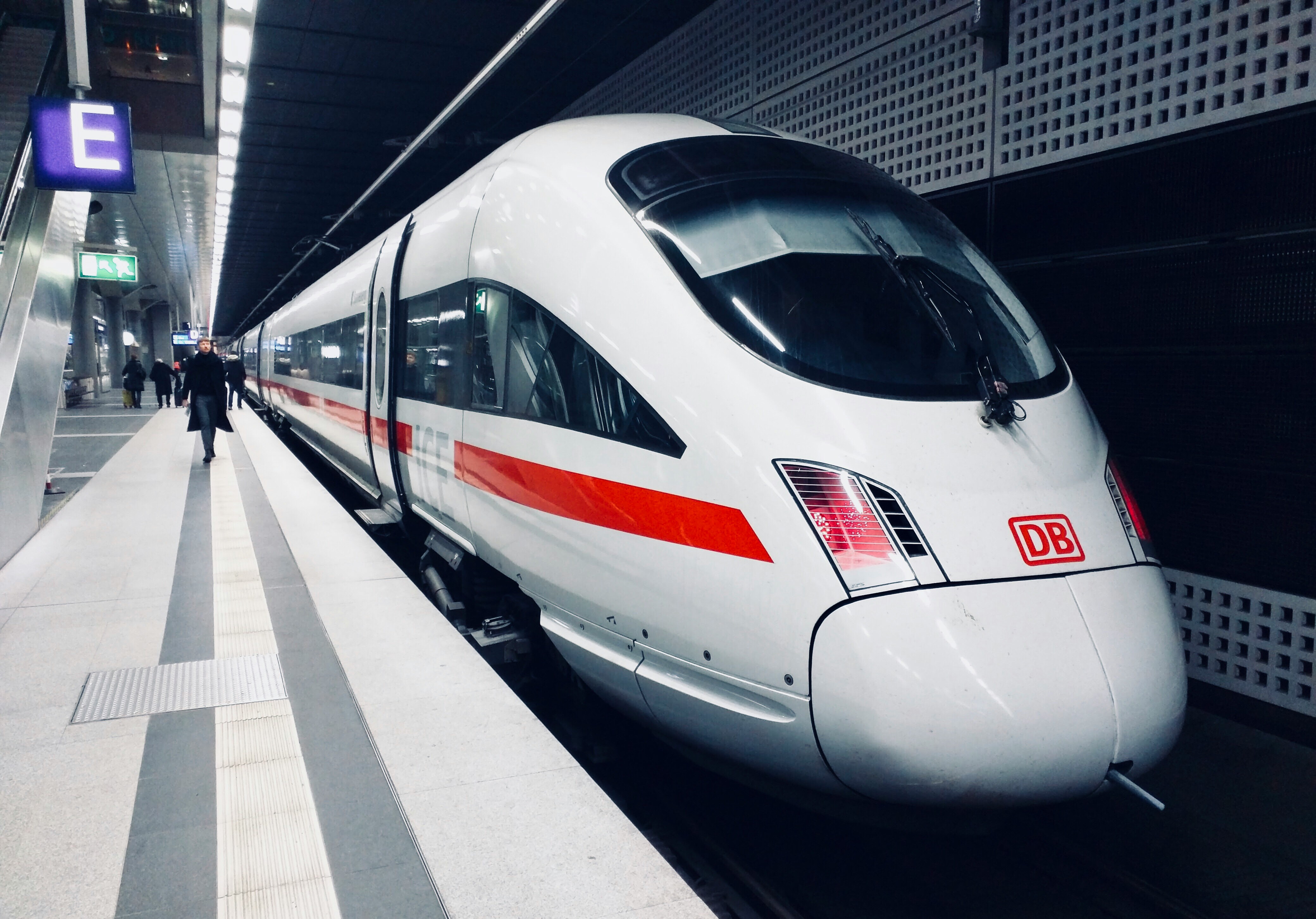
Deutsche Bahn, one of the world's leading rail transport companies, is working toward becoming a fully circular company by 2040. To get there, DB Long Distance needed real visibility into the environmental footprint of its trains. Working with Minviro through the DB mindbox programme, DB used XYCLE to run a full life cycle assessment of ICE train seats, uncovering changes that could cut the carbon footprint of second-class seats by up to six times.
Deutsche Bahn, one of the world's leading rail transport companies, is working toward becoming a fully circular company by 2040. To get there, DB Long Distance needed real visibility into the environmental footprint of its trains. Working with Minviro through the DB mindbox programme, DB used XYCLE to run a full life cycle assessment of ICE train seats, uncovering changes that could cut the carbon footprint of second-class seats by up to six times.
Key Challenge
Pinning down the environmental impact of railway components is hard. DB's sustainability work has focused mainly on infrastructure, but long-distance rail transport plays a vital role in cutting emissions and advancing circularity. To make a start, DB Long Distance chose a focused use case: train seats. Individual seats aren't the largest source of impact, but they give a structured entry point for assessing the sustainability of train components and set the stage for wider improvements across the fleet.
Solution
DB partnered with Minviro to run a full LCA of ICE train seats, covering the complete life cycle from material sourcing to end-of-life disposal. The study measured CO₂ emissions, water consumption and land use. Minviro assessed alternative upholstery materials including wool, leather and synthetic fabrics, integrated DB's primary data into XYCLE for clearer visualisation and supply chain transparency, and worked with a cross-disciplinary DB team spanning sustainability, product and customer experience.
Results
The proof of concept confirmed that LCA is a crucial decision-making tool for DB's long-term sustainability strategy, revealing significant potential for CO₂ reductions and circularity improvements. Switching to more sustainable seat materials, particularly in second class, can reduce the carbon footprint by up to six times through supply chain changes alone. The insights are now shaping DB's approach to future train component design and procurement.

There are notable differences in the environmental impact of first-class (leather) and second-class (flat-woven fabric or velour) seats. Switching second-class materials can cut the carbon footprint by up to six times through supply chain changes alone.
Repair, reuse and recycling strategies extend seat lifespan and reduce resource consumption, helping to minimise waste and close material loops.
Better design and improved maintenance reduce the need for frequent replacements, conserving resources and lowering emissions across the product lifecycle. The study also empowered key material suppliers to engage with LCA on more sustainable solutions.
Our collaboration
Deutsche Bahn (DB) is one of the world's leading rail transport companies, committed to advancing digitalisation and sustainability in the mobility industry. Through its startup hub, DB mindbox, DB connects innovators with experts to co-develop solutions that enhance efficiency, customer experience, and environmental impact.
As part of its mission to become a fully circular company by 2040, DB Long Distance, a key provider of high-speed rail travel across Germany and Europe, sought to gain greater transparency into the environmental footprint of its trains. Together with DB Long Distance, it set out to find innovative solutions in the field of Life Cycle Assessment (LCA) through the DB mindbox programme Long Distance Transport 2024. By integrating LCA into its strategy, DB aimed to uncover actionable insights to optimise sustainability across its fleet.
The Challenge
Determining the precise environmental impact of railway components remains a complex challenge. While DB's sustainability efforts primarily focus on infrastructure, long-distance rail transport also plays a vital role in reducing emissions and advancing circularity.
To address this, DB Long Distance selected a specific use case: train seats. Though individual seats may not represent the highest environmental impact, they provide a structured entry point for evaluating the sustainability of various train components. Conducting a Total Life Cycle Assessment on first- and second-class seats would help DB identify key areas for environmental optimisation, setting the stage for future improvements across its trains.
The Solution
DB partnered with Minviro to conduct a comprehensive LCA of ICE train seats, covering their full life cycle from material sourcing to end-of-life disposal. The project evaluated key ecological factors such as CO₂ emissions, water consumption and land use, pinpointing opportunities for sustainability improvements.
The collaboration involved multiple enhancements to DB's sustainability strategy:
Sustainable material exploration: Minviro assessed alternative materials for seat upholstery, including wool, leather and synthetic fabrics, to identify more environmentally friendly options.
Data enrichment and software development: Minviro integrated primary data into its LCA software, XYCLE, improving result visualisation and enabling deeper insights into supply chain transparency.
Cross-disciplinary collaboration: DB engaged a diverse team of specialists, including sustainability managers, product managers and customer experience experts, to ensure a well-rounded approach to environmental impact analysis.
By refining LCA methodologies and leveraging Minviro's expertise, DB Long Distance gained a powerful tool to drive meaningful sustainability decisions across its operations.
The Results
The proof of concept (PoC) demonstrated that LCA is a crucial decision-making tool for DB's long-term sustainability strategy. The study uncovered significant potential for CO₂ reductions and circularity improvements:
Sustainable materials: There are notable differences in the environmental impacts of first-class (leather) and second-class (flat-woven fabric or velour) seats. By switching to more sustainable materials, particularly in second class, the carbon footprint can be reduced by up to six times, simply through changes in the supply chain.
Circular economy: Repair, reuse and recycling strategies extend the lifespan of seats and help reduce resource consumption. These approaches are crucial for minimising waste and closing material loops.
Lifetime optimisation: Better design and improved maintenance reduce the need for frequent replacements and support long-term use. This not only conserves resources but also lowers emissions across the product lifecycle.
Data-driven impact: The LCA study empowered key material suppliers to engage with LCA on more sustainable solutions.
The study also highlighted the benefits of adopting sustainable materials, implementing repair and reuse strategies and optimising product longevity to minimise environmental impact. These insights are now shaping DB's approach to future train component design and procurement strategies.
Conclusion & Future Outlook
Minviro's LCA expertise provided DB with data-driven clarity on its environmental footprint, transforming sustainability ambitions into measurable results. Beyond evaluating train seats, the project has paved the way for broader life cycle assessments within DB Long Distance's operations.
Looking ahead, DB aims to extend LCA methodologies to additional train components, integrating both environmental and economic evaluations to further strengthen its circular economy strategy. Through its continued focus on transparency, innovation and impact reduction, DB is positioning itself at the forefront of sustainable rail travel.
"The collaboration with Minviro through the DB mindbox programme has enabled us to gain crucial insights into the environmental impact of our train components. By integrating LCA into our approach, we are making informed decisions that align with our sustainability goals and circular economy strategy."
— Felix Gorissen, Strategic Consumer Experience Management & Project Lead, DB Fernverkehr AG
Deutsche Bahn (DB) is one of the world's leading rail transport companies, committed to advancing digitalisation and sustainability in the mobility industry. Through its startup hub, DB mindbox, DB connects innovators with experts to co-develop solutions that enhance efficiency, customer experience, and environmental impact.
As part of its mission to become a fully circular company by 2040, DB Long Distance, a key provider of high-speed rail travel across Germany and Europe, sought to gain greater transparency into the environmental footprint of its trains. Together with DB Long Distance, it set out to find innovative solutions in the field of Life Cycle Assessment (LCA) through the DB mindbox programme Long Distance Transport 2024. By integrating LCA into its strategy, DB aimed to uncover actionable insights to optimise sustainability across its fleet.
The Challenge
Determining the precise environmental impact of railway components remains a complex challenge. While DB's sustainability efforts primarily focus on infrastructure, long-distance rail transport also plays a vital role in reducing emissions and advancing circularity.
To address this, DB Long Distance selected a specific use case: train seats. Though individual seats may not represent the highest environmental impact, they provide a structured entry point for evaluating the sustainability of various train components. Conducting a Total Life Cycle Assessment on first- and second-class seats would help DB identify key areas for environmental optimisation, setting the stage for future improvements across its trains.
The Solution
DB partnered with Minviro to conduct a comprehensive LCA of ICE train seats, covering their full life cycle from material sourcing to end-of-life disposal. The project evaluated key ecological factors such as CO₂ emissions, water consumption and land use, pinpointing opportunities for sustainability improvements.
The collaboration involved multiple enhancements to DB's sustainability strategy:
Sustainable material exploration: Minviro assessed alternative materials for seat upholstery, including wool, leather and synthetic fabrics, to identify more environmentally friendly options.
Data enrichment and software development: Minviro integrated primary data into its LCA software, XYCLE, improving result visualisation and enabling deeper insights into supply chain transparency.
Cross-disciplinary collaboration: DB engaged a diverse team of specialists, including sustainability managers, product managers and customer experience experts, to ensure a well-rounded approach to environmental impact analysis.
By refining LCA methodologies and leveraging Minviro's expertise, DB Long Distance gained a powerful tool to drive meaningful sustainability decisions across its operations.
The Results
The proof of concept (PoC) demonstrated that LCA is a crucial decision-making tool for DB's long-term sustainability strategy. The study uncovered significant potential for CO₂ reductions and circularity improvements:
Sustainable materials: There are notable differences in the environmental impacts of first-class (leather) and second-class (flat-woven fabric or velour) seats. By switching to more sustainable materials, particularly in second class, the carbon footprint can be reduced by up to six times, simply through changes in the supply chain.
Circular economy: Repair, reuse and recycling strategies extend the lifespan of seats and help reduce resource consumption. These approaches are crucial for minimising waste and closing material loops.
Lifetime optimisation: Better design and improved maintenance reduce the need for frequent replacements and support long-term use. This not only conserves resources but also lowers emissions across the product lifecycle.
Data-driven impact: The LCA study empowered key material suppliers to engage with LCA on more sustainable solutions.
The study also highlighted the benefits of adopting sustainable materials, implementing repair and reuse strategies and optimising product longevity to minimise environmental impact. These insights are now shaping DB's approach to future train component design and procurement strategies.
Conclusion & Future Outlook
Minviro's LCA expertise provided DB with data-driven clarity on its environmental footprint, transforming sustainability ambitions into measurable results. Beyond evaluating train seats, the project has paved the way for broader life cycle assessments within DB Long Distance's operations.
Looking ahead, DB aims to extend LCA methodologies to additional train components, integrating both environmental and economic evaluations to further strengthen its circular economy strategy. Through its continued focus on transparency, innovation and impact reduction, DB is positioning itself at the forefront of sustainable rail travel.
"The collaboration with Minviro through the DB mindbox programme has enabled us to gain crucial insights into the environmental impact of our train components. By integrating LCA into our approach, we are making informed decisions that align with our sustainability goals and circular economy strategy."
— Felix Gorissen, Strategic Consumer Experience Management & Project Lead, DB Fernverkehr AG
Deutsche Bahn (DB) is one of the world's leading rail transport companies, committed to advancing digitalisation and sustainability in the mobility industry. Through its startup hub, DB mindbox, DB connects innovators with experts to co-develop solutions that enhance efficiency, customer experience, and environmental impact.
As part of its mission to become a fully circular company by 2040, DB Long Distance, a key provider of high-speed rail travel across Germany and Europe, sought to gain greater transparency into the environmental footprint of its trains. Together with DB Long Distance, it set out to find innovative solutions in the field of Life Cycle Assessment (LCA) through the DB mindbox programme Long Distance Transport 2024. By integrating LCA into its strategy, DB aimed to uncover actionable insights to optimise sustainability across its fleet.
The Challenge
Determining the precise environmental impact of railway components remains a complex challenge. While DB's sustainability efforts primarily focus on infrastructure, long-distance rail transport also plays a vital role in reducing emissions and advancing circularity.
To address this, DB Long Distance selected a specific use case: train seats. Though individual seats may not represent the highest environmental impact, they provide a structured entry point for evaluating the sustainability of various train components. Conducting a Total Life Cycle Assessment on first- and second-class seats would help DB identify key areas for environmental optimisation, setting the stage for future improvements across its trains.
The Solution
DB partnered with Minviro to conduct a comprehensive LCA of ICE train seats, covering their full life cycle from material sourcing to end-of-life disposal. The project evaluated key ecological factors such as CO₂ emissions, water consumption and land use, pinpointing opportunities for sustainability improvements.
The collaboration involved multiple enhancements to DB's sustainability strategy:
Sustainable material exploration: Minviro assessed alternative materials for seat upholstery, including wool, leather and synthetic fabrics, to identify more environmentally friendly options.
Data enrichment and software development: Minviro integrated primary data into its LCA software, XYCLE, improving result visualisation and enabling deeper insights into supply chain transparency.
Cross-disciplinary collaboration: DB engaged a diverse team of specialists, including sustainability managers, product managers and customer experience experts, to ensure a well-rounded approach to environmental impact analysis.
By refining LCA methodologies and leveraging Minviro's expertise, DB Long Distance gained a powerful tool to drive meaningful sustainability decisions across its operations.
The Results
The proof of concept (PoC) demonstrated that LCA is a crucial decision-making tool for DB's long-term sustainability strategy. The study uncovered significant potential for CO₂ reductions and circularity improvements:
Sustainable materials: There are notable differences in the environmental impacts of first-class (leather) and second-class (flat-woven fabric or velour) seats. By switching to more sustainable materials, particularly in second class, the carbon footprint can be reduced by up to six times, simply through changes in the supply chain.
Circular economy: Repair, reuse and recycling strategies extend the lifespan of seats and help reduce resource consumption. These approaches are crucial for minimising waste and closing material loops.
Lifetime optimisation: Better design and improved maintenance reduce the need for frequent replacements and support long-term use. This not only conserves resources but also lowers emissions across the product lifecycle.
Data-driven impact: The LCA study empowered key material suppliers to engage with LCA on more sustainable solutions.
The study also highlighted the benefits of adopting sustainable materials, implementing repair and reuse strategies and optimising product longevity to minimise environmental impact. These insights are now shaping DB's approach to future train component design and procurement strategies.
Conclusion & Future Outlook
Minviro's LCA expertise provided DB with data-driven clarity on its environmental footprint, transforming sustainability ambitions into measurable results. Beyond evaluating train seats, the project has paved the way for broader life cycle assessments within DB Long Distance's operations.
Looking ahead, DB aims to extend LCA methodologies to additional train components, integrating both environmental and economic evaluations to further strengthen its circular economy strategy. Through its continued focus on transparency, innovation and impact reduction, DB is positioning itself at the forefront of sustainable rail travel.
"The collaboration with Minviro through the DB mindbox programme has enabled us to gain crucial insights into the environmental impact of our train components. By integrating LCA into our approach, we are making informed decisions that align with our sustainability goals and circular economy strategy."
— Felix Gorissen, Strategic Consumer Experience Management & Project Lead, DB Fernverkehr AG